Chemical Peels Explained: Which Type Is Right for Your Skin?
Chemical peels are one of the most misunderstood dermatology treatments. When done correctly, they improve skin tone, texture, acne, and pigmentation safely and effectively.
What Is a Chemical Peel?
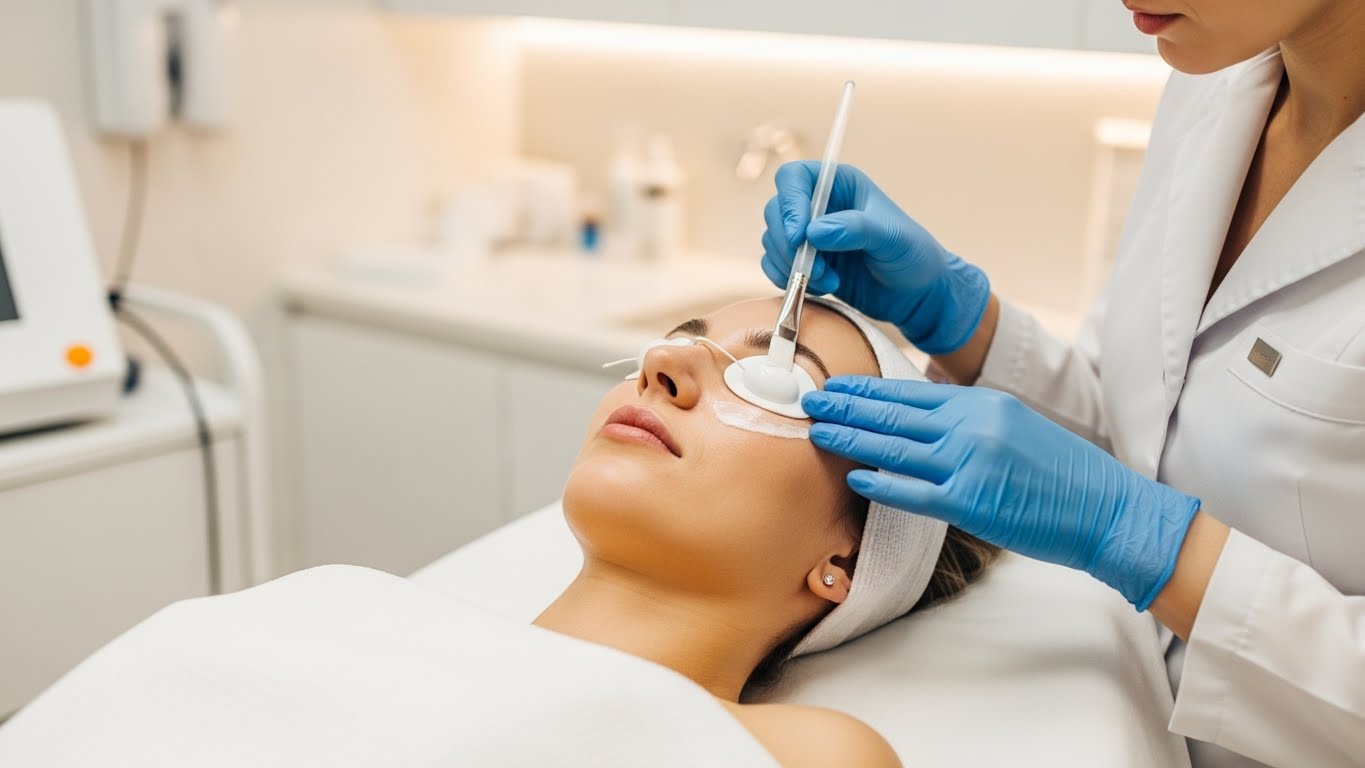
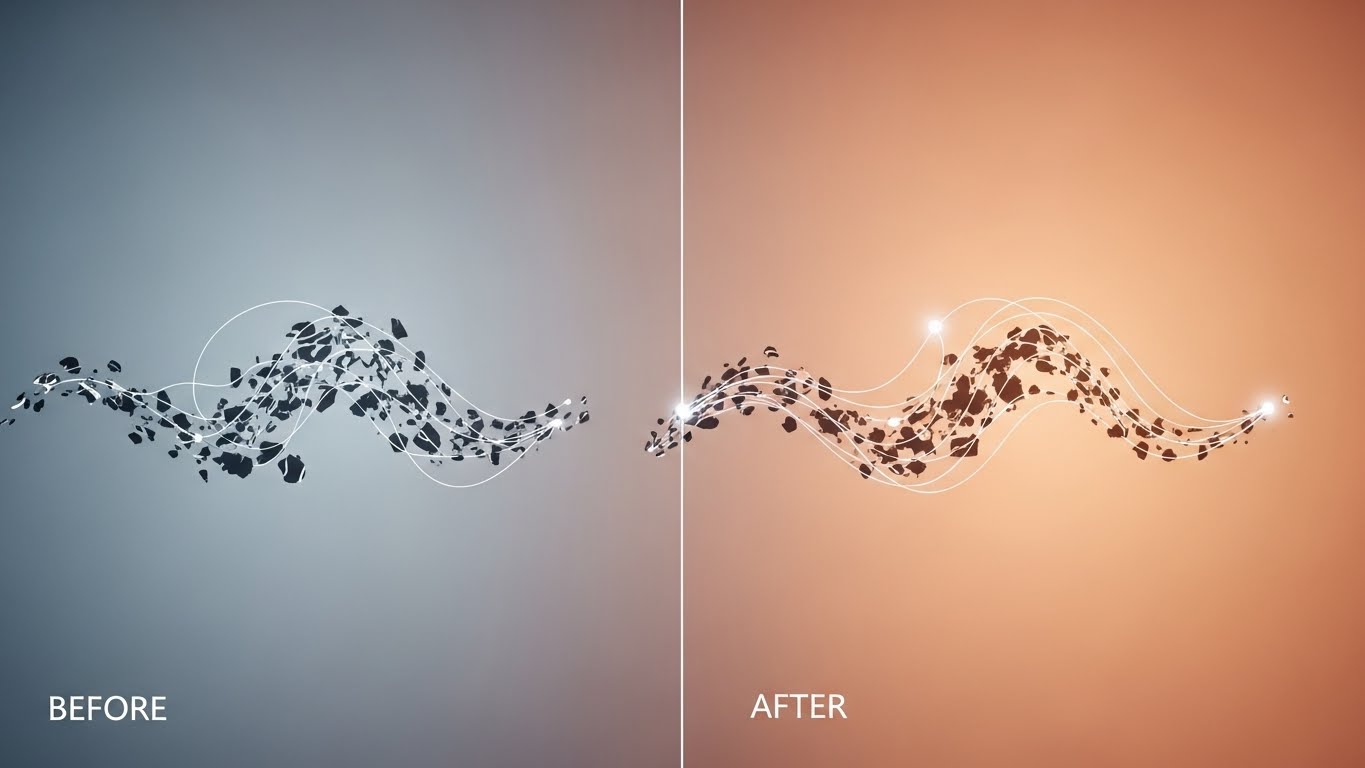
A chemical peel uses controlled acids to remove damaged outer layers of skin, allowing new, healthier skin to regenerate. The depth and strength of the peel determine the results and recovery time.
Types of Chemical Peels
Superficial peels work on the top layer of skin and are ideal for dullness, mild acne, and uneven tone.
Medium-depth peels penetrate deeper and are used for pigmentation, acne scars, and fine lines.
Deep peels are medical procedures reserved for advanced skin concerns and are performed only under strict supervision.
Who Should Get a Chemical Peel?
Chemical peels are suitable for acne-prone skin, pigmentation issues, early aging signs, and uneven skin texture. A dermatologist evaluates skin type, sensitivity, and lifestyle before selecting the peel.
What Results Can You Expect?
Improved brightness, smoother texture, reduced acne, and more even skin tone. Multiple sessions may be needed depending on the concern.
Why Professional Guidance Matters
Wrong peel selection or improper aftercare can worsen pigmentation and damage the skin barrier. Dermatologist-led treatments ensure safety and long-term results.
Chemical peels are not about harsh exfoliation they’re about precision, timing, and expertise.