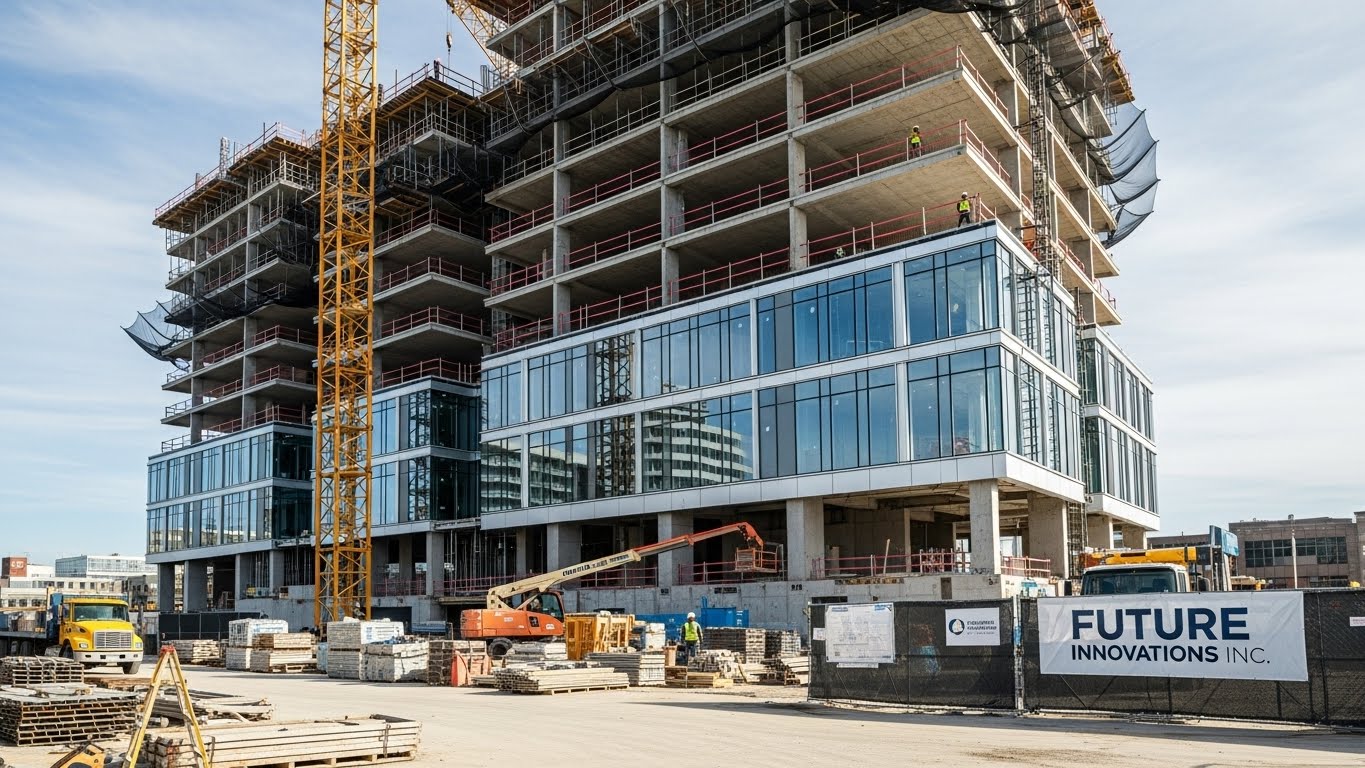
Efficient Construction Strategies for Modern Projects
Modern construction demands absolute precision, disciplined coordination, and full transparency. For property owners, developers, and investors, embarking on a new build or major structural overhaul can feel daunting—especially when navigating complex site logistics, fluctuating material budgets, and tight execution deadlines. To deliver a successful build, construction teams must go beyond traditional methods and adopt streamlined, modern strategies that balance structural durability with operational efficiency.
Whether you are planning a commercial development or a private luxury residence, understanding the core site processes behind successful construction ensures complete peace of mind. Here are six essential strategies that keep modern construction projects running smoothly, on budget, and built to stand the test of time.
1. Integrated Workflow Planning & Site Readiness
A successful build begins long before heavy machinery arrives on site. Detailed pre-construction planning prevents the domino effect of delays that plague poorly managed projects. This phase involves deep-soil testing, precise site clearing, load-bearing assessments, and rigorous utility mapping.
By establishing clear site access routes, material staging zones, and safety protocols during pre-construction, contractors ensure that daily operations move forward without structural bottlenecks or costly downtime.
2. Material Selection Focused on Long-Term Durability
Selecting building materials solely based on upfront costs is one of the most expensive mistakes a property owner can make. Modern construction strategies prioritize material durability, lifecycle costs, and climate resilience.
- High-Yield Steel & Concrete Standards: Utilizing certified high-yield TMT bars and precise concrete mix ratios protects structural integrity against seismic activity and moisture absorption.
- Advanced Waterproofing Admixtures: Integrating crystalline waterproofing compounds into foundation and slab concrete prevents capillary water seepage at the cellular level.
- Thermal & Acoustic Envelope: AAC (Autoclaved Aerated Concrete) blocks, high-density insulated bricks, and low-E double-glazed windows significantly reduce heating and cooling costs while enhancing indoor comfort.
3. Synchronized Sub-Contractor & Vendor Coordination
One of the primary causes of project delays is poor coordination between specialized trades—such as civil crews, MEP (mechanical, electrical, plumbing) engineers, carpenters, and painters. When trades work in isolation, miscommunications occur, leading to rework and extra costs.
Modern project management solves this by implementing synchronized trade sequencing. MEP infrastructure (such as concealed electrical conduits and drainage lines) is planned and audited before slab casting and wall plastering begin, eliminating the need to cut into finished masonry later.
4. Strict Quality Control & Structural Inspection Audits
Building codes are not just guidelines—they are the foundation of safety and long-term asset value. A rigorous quality control framework includes routine on-site structural audits at every major build stage:
- Foundation & Sub-structure: Soil compaction tests and rebar placement checks prior to concrete pouring.
- Superstructure & Slab Casting: Concrete slump tests, cube strength compression testing, and shuttering alignment checks.
- Finishing & MEP Verification: Pressure-testing plumbing lines for hidden leaks and conducting electrical circuit load balancing before final handover.
5. Transparent Budget Tracking & Value Engineering
Budget overruns usually stem from unmanaged change orders, wasteful material procurement, and poor site monitoring. Modern construction strategies rely on value engineering—optimizing structural designs and material choices to lower costs without compromising quality or safety.
By utilizing itemized Bill of Quantities (BOQ) tracking and transparent milestone billing, property owners maintain complete financial visibility from initial excavation to the final coat of paint.
6. Daily Monitoring & Milestone Communication
Clear, consistent communication is the key to a stress-free construction experience. Leading construction management teams utilize daily site reporting, photo/video progress logs, and digital milestone tracking tools to keep clients informed at every step.
When clients have full visibility into daily progress, site challenges are addressed collaboratively and resolved quickly—ensuring the project finishes strictly on schedule.
Build with Confidence
Constructing a modern property doesn't have to be overwhelming. By combining structural engineering expertise, high-performance materials, disciplined site management, and open client communication, we ensure your vision is realized efficiently and engineered for generations of wear.
Planning a new build or structural renovation? Contact our project management team today for an initial consultation and comprehensive site assessment.