The Key Principles Behind Modern Architectural Design
Modern architectural design has evolved far beyond superficial styling or decorative trends. Today, it stands as a disciplined synthesis of spatial clarity, structural performance, advanced material science, and environmental responsibility. As urban spaces become more dense and environmental demands intensify, modern architecture focuses on creating structures that are visually balanced, highly functional, and built to adapt over decades of use.
Whether designing a sleek private residence or a multi-story commercial complex, six foundational principles guide modern architectural execution:
1. Form Follows Function & Spatial Efficiency
In modern architectural philosophy, a building's shape and structural layout are directly dictated by its intended operational purpose. Rather than forcing functions into pre-determined decorative shells, spaces are engineered from the inside out.
Floor plans prioritize open layouts, clean spatial transitions, and the complete elimination of redundant square footage. Rooms are designed to accommodate real human movement, flexibility, and daily utility without structural friction.
2. Structural Honesty & Material Expression
Modern architecture embraces the intrinsic beauty and raw strength of building materials rather than hiding them under heavy surface ornamentations. Concrete, structural steel, glass, and timber are displayed with honesty and intention.
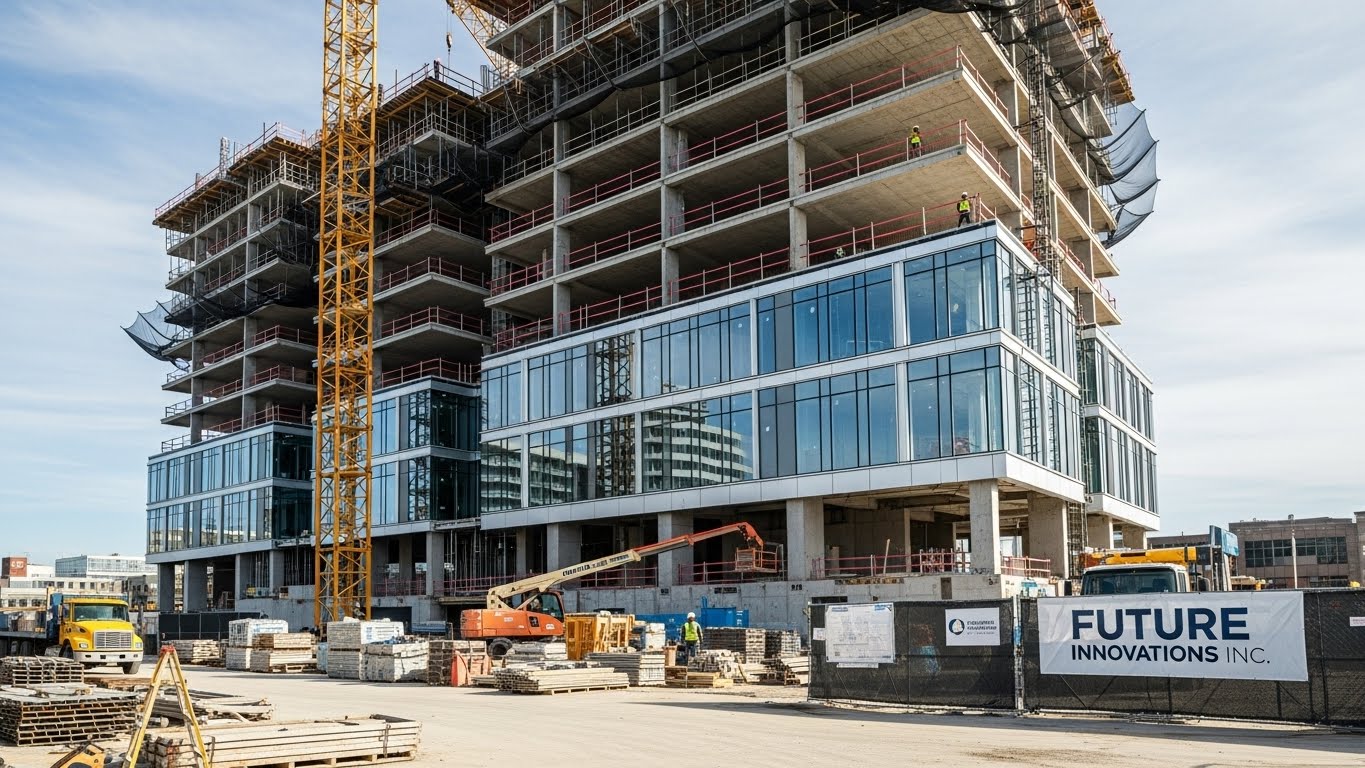
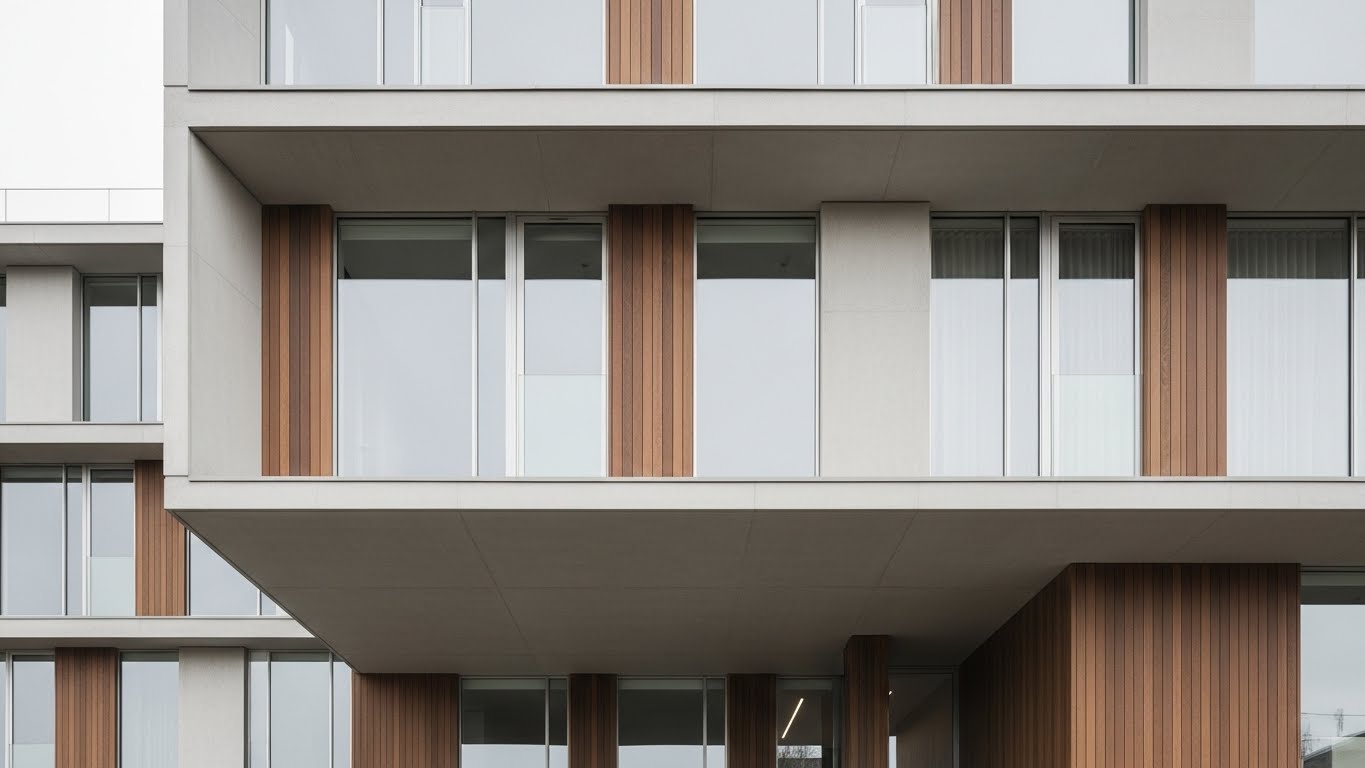
- Reinforced Concrete & Steel: Exposed columns, cantilevered slabs, and steel trusses celebrate the engineering integrity that holds the structure up.
- Architectural Glass: Expansive floor-to-ceiling glazing blurs the boundary between indoor spaces and external landscapes while maximizing natural solar daylight.
- Natural Timber & Stone: Warm organic textures are integrated strategically to soften industrial elements and add tactile depth to clean geometric lines.
3. Passive Environmental Design & Sustainability
Sustainable design is no longer an optional add-on—it is a core requirement of modern building execution. Intelligent architecture uses passive design strategies to drastically reduce reliance on mechanical heating, cooling, and artificial lighting.
By analyzing solar orientation, local prevailing wind directions, and seasonal climate patterns, architects position building envelopes to optimize natural cross-ventilation and daylight harvesting. High-performance thermal insulation, double-glazed low-E glass, and green roof installations keep interior spaces comfortable while lowering operational energy consumption.
4. Proportion, Clean Lines, & Visual Balance
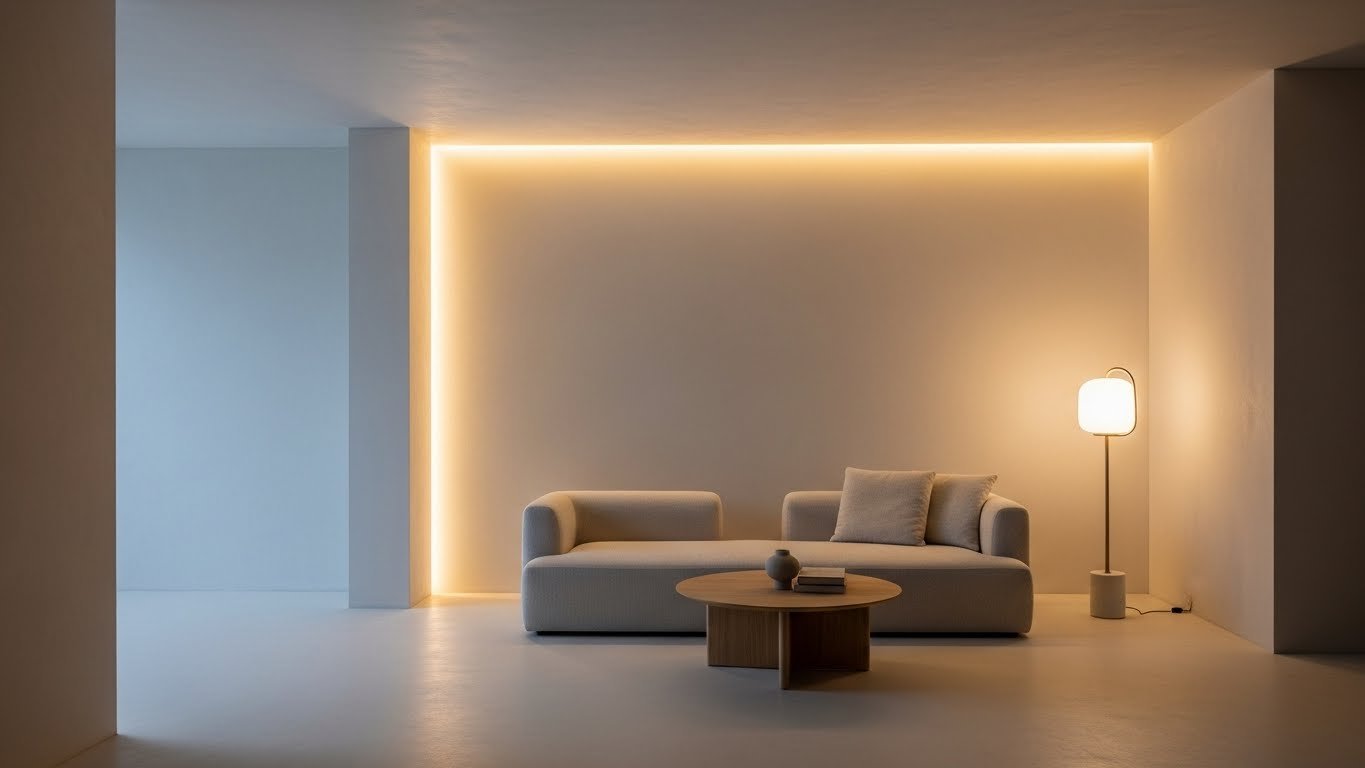
Modern aesthetics favor minimalism, crisp geometry, and visual harmony. Unnecessary clutter, heavy moldings, and excessive ornamentation are replaced by disciplined proportion and intentional alignment.
Architects utilize modular grids, balanced asymmetrical massing, and controlled sightlines to create structures that feel grounded and calm. Every structural joinery, window recess, and wall transition is detailed to deliver clean visual continuity.
5. Integration of Smart Building Technologies
Contemporary structures are living, responsive environments equipped with integrated building automation systems (BAS) and smart infrastructure. Concealed utility pathways allow for seamless integration of smart HVAC controls, automated solar shading, IoT energy monitors, and advanced security networks.
These systems work in tandem with the building's physical architecture, automatically adjusting lighting and indoor climate controls based on occupancy levels and time of day to maximize comfort and energy efficiency.
6. Longevity, Performance, & Adaptive Reuse
A truly modern building is designed with its entire lifecycle in mind. Materials are selected for their low degradation rates, ease of maintenance, and ability to withstand harsh weather conditions over time.
Furthermore, internal non-load-bearing partitions are designed for modular adaptability. As the needs of the occupants evolve over time, spaces can be reconfigured easily without requiring major civil demolition or structural reconstruction.
Building for the Future
Understanding these core principles allows property owners, developers, and designers to make smarter, future-proof decisions before breaking ground. By combining functional space planning, sustainable engineering, material performance, and timeless aesthetics, modern architecture creates high-value environments that serve users effortlessly for generations.
Ready to bring modern architectural principles to your next build or renovation project? Connect with our design and engineering team today to discuss your vision.